 Got Next: Basketball
Which guide do you actually need?
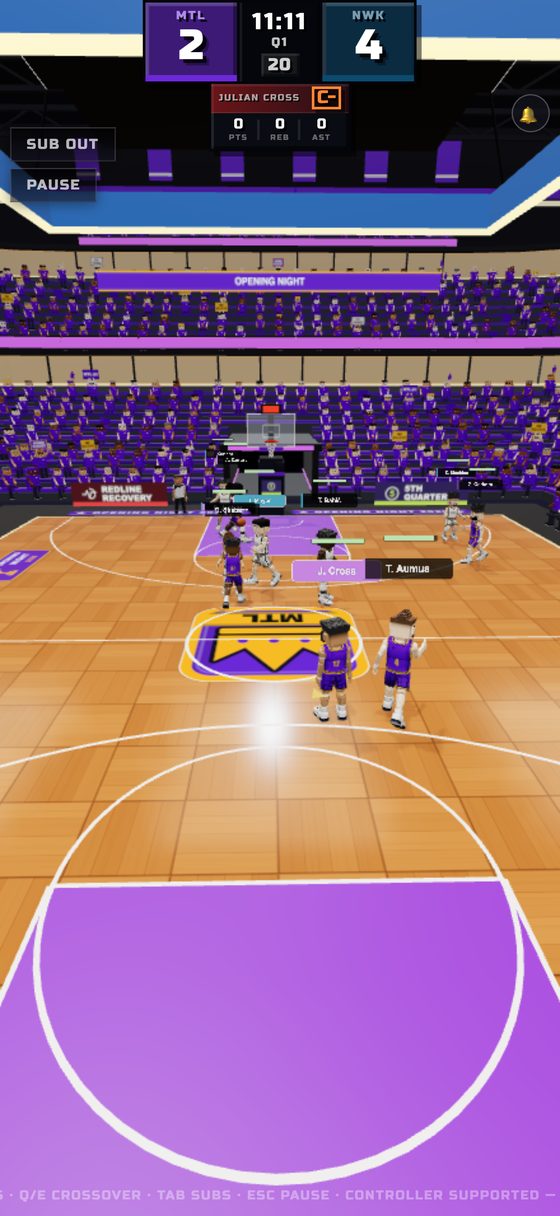
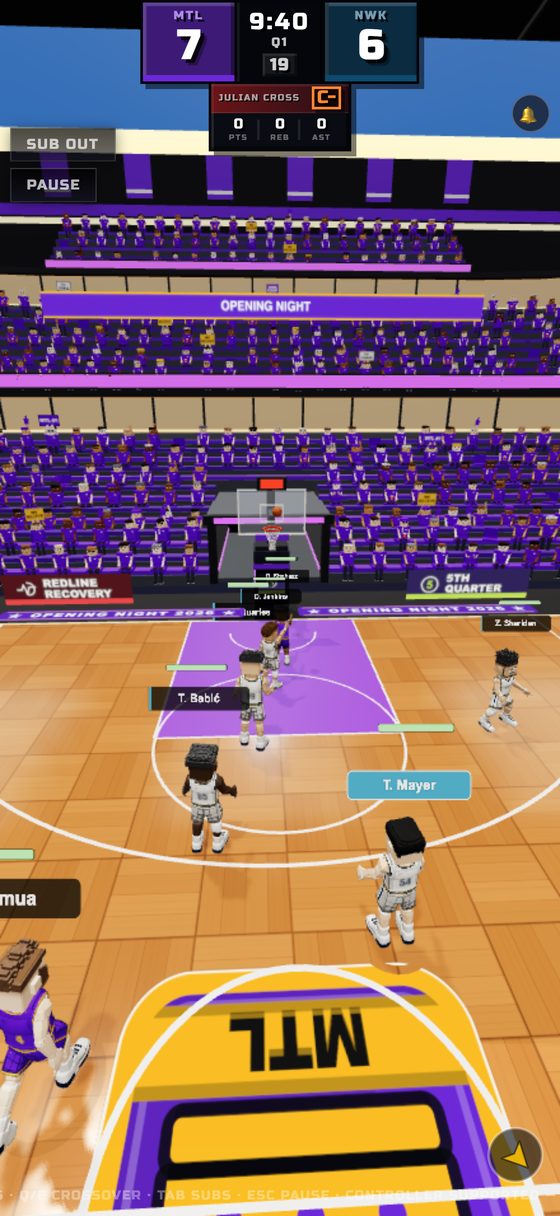
There is a lot written here, so here is the honest routing. If you have never opened the game, read Getting Started and nothing else - it covers creating a player, the difference between playing and simming a game, how saves work, and the four mistakes almost everybody makes in their first season.
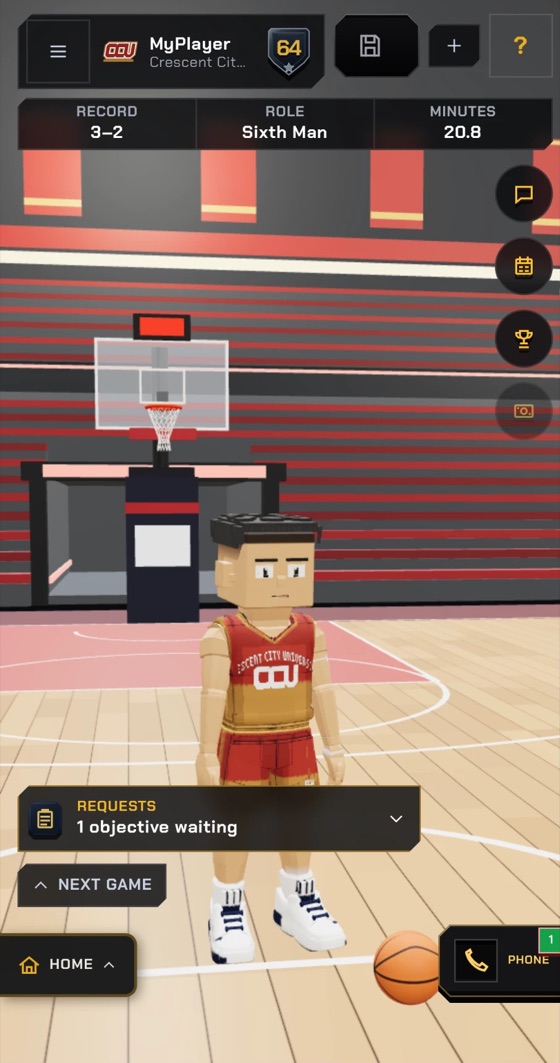
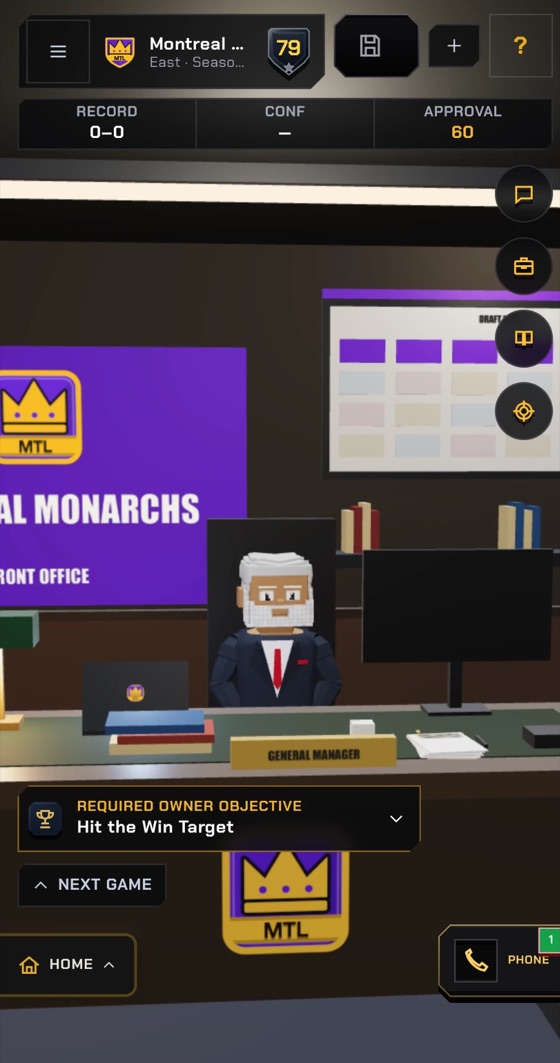
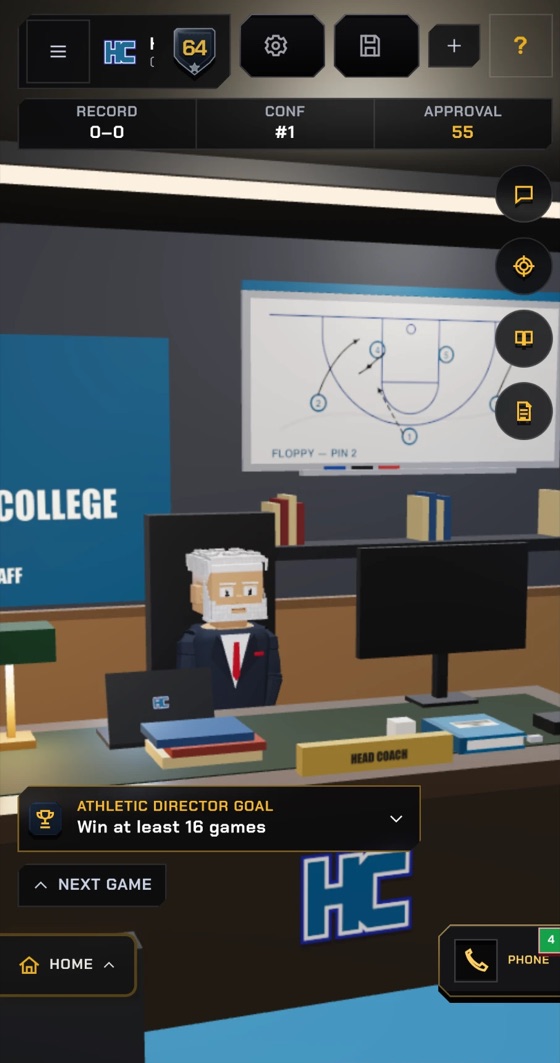
If you already know which life you want, go straight to that mode's guide. Career mode is the one player, one life campaign, and it is the deepest of the three. GM mode is the front office - owner mandates, the trade value model, the cap, and a draft where nobody sees true ratings. Coach mode is college basketball, which means recruiting, prestige, and the transfer portal.
Two guides cut across all three modes. Builds and positions explains why archetype caps matter more than the numbers on the create screen, and includes three example builds that work. Training and progression covers the four separate channels a player improves through, which is worth reading the moment your career plateaus. The draft explains scouting bands, draft stock, and why your landing spot matters more than your pick number.
The one thing to understand first
Almost every system in this game runs on the same idea: you are evaluated on what you are best at, not on your average. Rotations, draft stock, recruiting interest, and owner patience all work that way. It is why a specialist beats a generalist, why an honest rebuild beats a mediocre playoff push, and why a program that wins with nobodies eventually gets to recruit somebodies.
If a decision in the game feels unclear, ask which specific thing it makes you better at. That is usually the answer.